
Electric Stove vs Gas Stove: Which One Belongs in Your Kitchen?

You’re remodeling the kitchen. Or maybe your old range finally gave out and you need a replacement this week. Either way, you’re staring down the same question every homeowner faces: electric or gas?
It sounds simple, but the answer depends on how you cook, what your home is set up for, and what matters most to you — whether that’s precise temperature control, lower utility bills, or easier cleanup.
We’ve spent over a decade repairing ovens and stoves across Greater Atlanta, from basic coil ranges in starter homes to high-end gas cooktops in Suwanee kitchens. We’ve seen what breaks, what lasts, and what people actually enjoy cooking on. Here’s what we think you should know before you buy.
Gas and Electric Stoves Work Very Differently
This might seem obvious, but the difference matters more than most people realize.
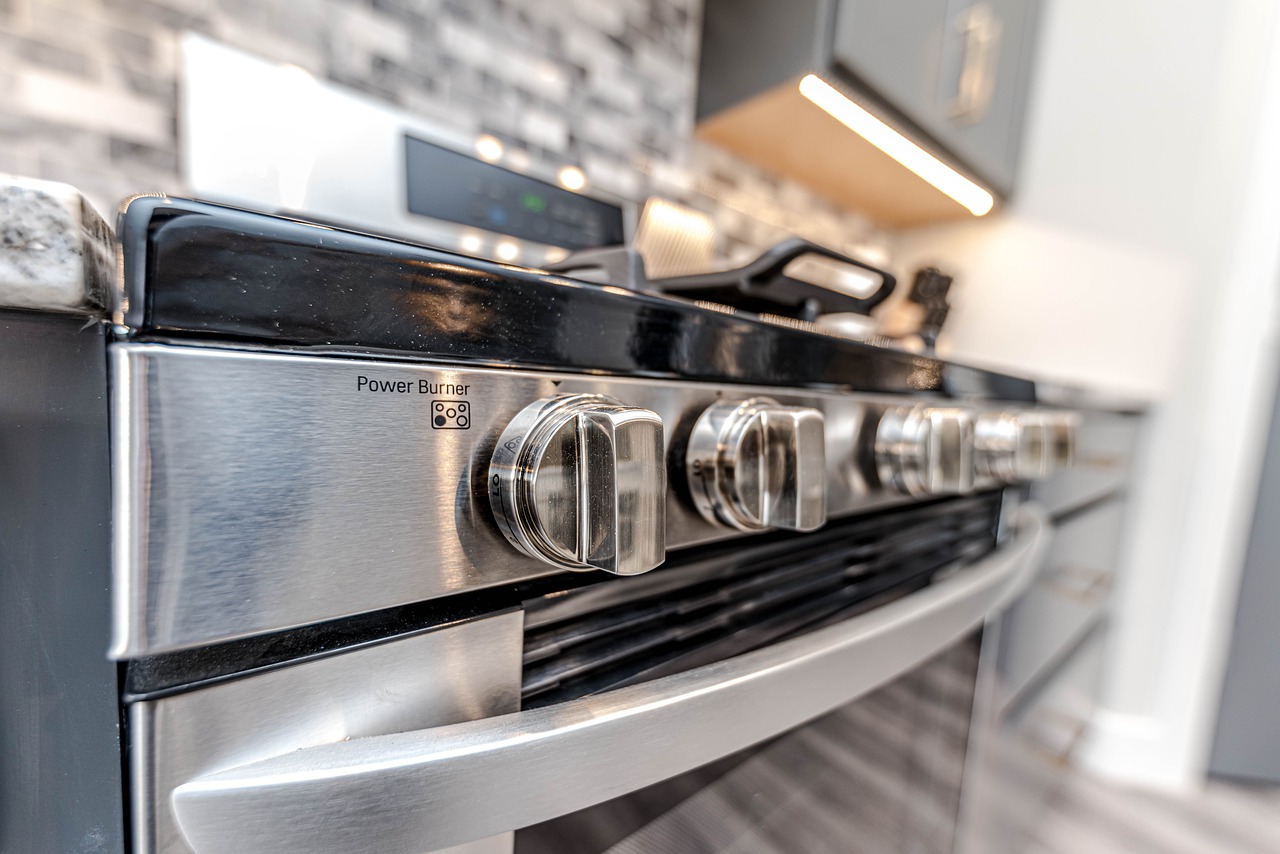
A gas stove burns natural gas or propane to create an open flame underneath your cookware. You control the flame size with a knob, and the heat response is almost instant. Turn it up, the flame gets bigger. Turn it down, it shrinks immediately.
An electric stove uses a heating element — either an exposed coil, a smooth glass-ceramic surface (sometimes called a radiant cooktop), or induction technology. Coil and radiant types heat the surface first, then transfer heat to the pan. Induction uses a magnetic field to heat compatible cookware directly, skipping the surface entirely.
Each approach has real tradeoffs, and what works best depends on your priorities.
Cooking Performance: What Actually Matters at the Stove
Ask ten chefs which stove they prefer and you’ll probably hear “gas” from eight of them. Gas has dominated professional kitchens for decades because of its instant heat response. You can go from a hard sear to a gentle simmer in seconds just by adjusting the knob.
But the home kitchen is a different story.
Gas stoves give you visible flame feedback and fast adjustments. They work well for stir-frying, flambéing, and any technique where you need to change temperature quickly. The flame heats the sides of your pan too, not just the bottom, which is useful for wok cooking.
Electric radiant stoves (the smooth glass-top kind) are slower to respond. When you turn the dial down, the surface stays hot for a while. There’s a learning curve, and if you’re used to gas, it can feel sluggish. But the even heat distribution is actually great for simmering sauces and slow cooking.
Induction stoves are the exception in the electric category. They respond as fast as gas — arguably faster. An induction cooktop can boil water roughly 50% quicker than a gas burner because it heats the pan directly instead of heating the air around it. The precision at low temperatures is also excellent, which is why more high-end restaurants are making the switch.
For baking specifically, electric ovens tend to produce more even, consistent heat. Gas ovens can develop hot spots, and the combustion process adds moisture to the oven cavity. That’s fine for roasting a chicken, but it can make baked goods inconsistent.
The Real Cost Breakdown
Cost is usually the deciding factor, so here’s the honest picture.
Upfront price: A basic gas range costs about the same as a mid-tier electric radiant range — roughly $600 to $1,200 for a solid freestanding model. Induction ranges cost more, typically $1,000 to $2,500, though prices have dropped significantly in the last few years.
Installation: If your home already has a gas line in the kitchen, connecting a gas range is straightforward. If it doesn’t, running a new gas line costs anywhere from $250 to $1,000+ depending on how far the plumber needs to go. Electric ranges just need a 240-volt outlet, which most kitchens already have.
Monthly operating cost: This is where it gets interesting. Gas is generally cheaper per unit of energy (BTU), but gas stoves waste a lot of that energy. Only about 40% of the heat from a gas flame actually reaches your food. The rest heats your kitchen.
Electric radiant stoves are better at roughly 74% efficiency. Induction is the clear winner at around 85-90% — nearly all the energy goes directly into the pan. So even though electricity costs more per unit in most Georgia markets, you use significantly less of it with induction.
For the average Atlanta household, the monthly difference in cooking energy costs is modest either way — usually between $5 and $15 per month. (Curious how your stove compares to other appliances? Check out our breakdown of how much energy your appliances actually use.) Your decision probably won’t hinge on utility costs alone.
Safety Is Worth Talking About
Both stove types are safe when used correctly, but the risk profiles are different.
Gas stoves involve an open flame and produce combustion byproducts including nitrogen dioxide, carbon monoxide, and small amounts of formaldehyde. Research from Stanford and the Lawrence Berkeley National Laboratory has linked these emissions to increased respiratory risk, especially in homes with poor ventilation. If you cook with gas, running your range hood every time you use the stove makes a real difference.
There’s also the gas leak factor. It’s rare, but a faulty connection or damaged supply line can create a hazard. Regular inspection of your gas line is important preventive care.
Electric coil and radiant stoves don’t produce combustion gases, but the surface stays hot well after you turn it off. Burns from touching a still-hot cooktop are one of the most common kitchen injuries.
Induction is generally considered the safest option. The cooktop surface barely gets warm because the heat goes directly into the pan. Most induction units won’t even turn on unless compatible cookware is detected, and they shut off automatically when the pan is removed.
Maintenance and Repairs: What We See in the Field
After 10+ years of appliance repairs in Atlanta, we’ve worked on hundreds of stoves. (We covered the most common breakdowns in detail in our oven and stove repair tips post.) Here’s what we see:
Gas stoves are mechanically straightforward but have more components that can fail. Igniter problems are by far the most common repair — that clicking sound that won’t stop, or a burner that won’t light. Clogged burner ports from grease and food buildup are next. Gas valve issues happen less often but cost more to fix. Cleaning gas stoves is also more involved since you need to remove grates and clean around individual burner heads.
Electric coil stoves are the simplest to repair. If a burner stops working, you can often swap it with another one on the same stove to confirm whether the element or the receptacle is the problem. Heating element replacements are usually inexpensive.
Electric glass-top stoves look great when they’re new, but they’re prone to scratches and cracks. Dragging a cast iron skillet across the surface is a mistake you only make once. Underneath the glass, radiant elements can fail and are more expensive to replace than a simple coil. The smooth surface is the easiest to clean day-to-day, though.
Induction stoves have fewer moving parts and tend to be reliable. When they do fail, the repair usually involves the electronic control board, which can be costly. The cookware requirement is also worth mentioning — your pans need to be magnetic (cast iron, most stainless steel). Aluminum, copper, and glass cookware won’t work.
What About Georgia Natural Gas Prices?
If you live in Gwinnett, DeKalb, Barrow, or Walton County, your gas provider and rates factor into the equation. Georgia has a deregulated natural gas market, so you can choose your gas marketer, and prices vary.
As of early 2026, residential natural gas rates in metro Atlanta range from roughly $0.70 to $1.10 per therm depending on your provider and plan. Georgia Power’s residential electricity rate hovers around $0.12 to $0.14 per kWh.
At those rates, gas cooking is slightly cheaper on a raw energy basis. But factor in the efficiency difference (40% for gas vs. 85%+ for induction), and the gap narrows or disappears entirely with induction.
If your home already has gas service, it makes sense to consider a gas range. If you’d need to run a new gas line just for the stove, the installation cost alone might tip the scales toward electric.
So Which One Should You Choose?
There’s no single right answer. But after working on these appliances day in and day out, here’s how we’d think about it:
Go with gas if you love the tactile feel of cooking with flame, your kitchen is already plumbed for gas, and you plan to use a range hood consistently. Gas is reliable, repairable, and gives you great cooking control.
Go with electric radiant if you want easy cleanup, prefer a smooth modern look, and don’t mind the slightly slower heat response. This is also the most budget-friendly option if you don’t already have a gas line.
Go with induction if you want the fastest boil times, the most precise temperature control, and the safest cooktop surface — especially if you have young kids. Just make sure your favorite pots and pans are induction-compatible before you commit. (Quick test: if a magnet sticks to the bottom, it’ll work.)
No matter which type you choose, proper installation matters. A poorly installed gas range can leak. An electric range on the wrong circuit can trip breakers or worse. If you need help with stove or oven installation anywhere in the Greater Atlanta area, that’s exactly what we do.
Keep Your Stove Running Longer
Whichever stove you pick, a few habits go a long way:
- Clean burner ports and drip pans regularly to prevent buildup
- Don’t use your oven’s self-clean feature right before a big cooking event — the extreme heat can damage components
- Check gas line connections annually if you have a gas stove
- Avoid dragging heavy cookware across glass-top surfaces
- Keep the area around your stove clear and ventilated
If something does go wrong, a quick repair almost always costs less than a full replacement. Most stove issues — bad igniters, faulty elements, broken knobs, temperature calibration problems — are fixable in a single service visit.
We repair electric and gas stoves from every major brand including GE, Samsung, LG, Whirlpool, Frigidaire, KitchenAid, Maytag, Bosch, and more. Same-day service is almost always available.
Book a repair online or call us at (678) 466-0288. We serve 50+ communities across Greater Atlanta.